July 28, 2026
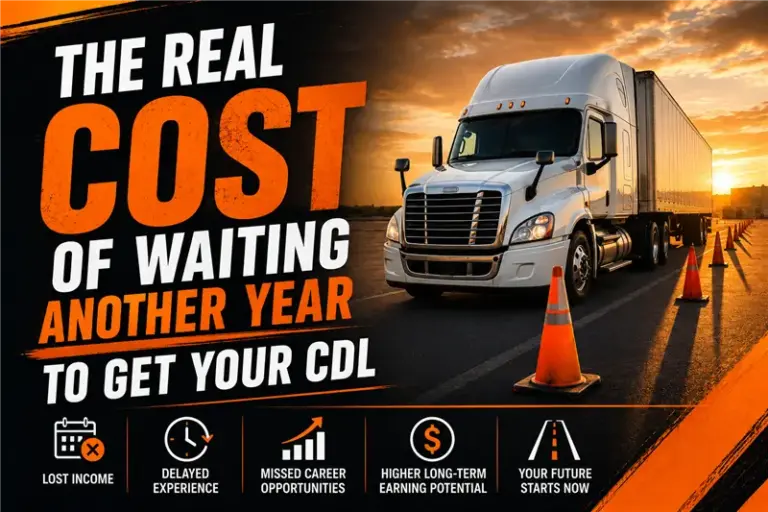
The Real Cost of Waiting Another Year to Get Your CDL
Many people think about earning their CDL for months—or even years—before taking the first step.
Learn MoreDecember 5, 2025
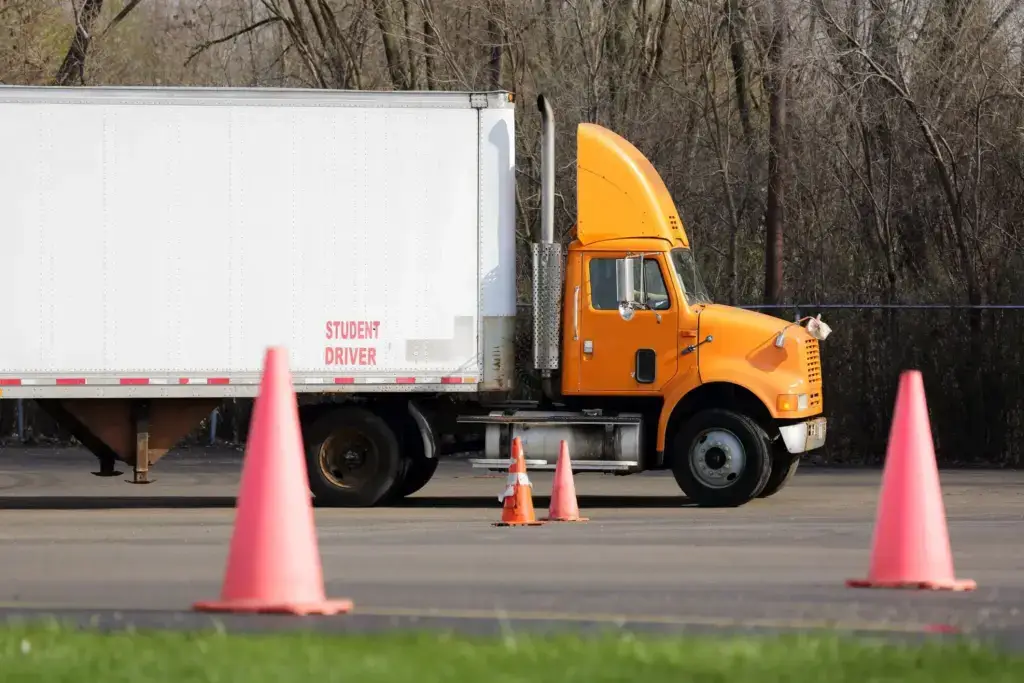
Getting your CDL is more than just passing a road test — it’s about meeting a complex set of standards designed to keep drivers, freight, and the public safe. At the heart of those standards are the ELDT training requirements, a federally mandated framework that applies to nearly every new driver entering the industry today. If you’re confused about what’s required or unsure if your program is up to code, you’re not alone.
This guide breaks down the current CDL training regulations in plain English, helping both drivers and fleet managers understand how to stay compliant under FMCSA CDL rules. At Truckers Network Association, we’re committed to being your go-to resource for clear, professional guidance.
Entry Level Driver Training (ELDT) is a federal training standard implemented by the Federal Motor Carrier Safety Administration (FMCSA) in February 2022. The rule applies to first-time CDL applicants, drivers upgrading their licenses (e.g., from Class B to Class A), and those seeking certain endorsements like Hazmat or school bus operation.
The intent behind ELDT training is simple: ensure that every new commercial driver receives consistent, quality instruction — both in the classroom and behind the wheel — before hitting the road.
To meet federal standards, drivers must complete both theory training and behind-the-wheel training through a provider listed on FMCSA’s Training Provider Registry (TPR).
Training providers must meet strict requirements for curriculum, instructor qualifications, and recordkeeping, and they must be registered in the FMCSA TPR.
Before taking the skills test, new drivers must complete the full ELDT curriculum. This step can’t be skipped. Unlike older CDL driver training regulations, the new rules are standardized nationwide. One common misconception is that state-level CDL schools can “opt out” — they can’t. If the school isn’t FMCSA-approved, your training won’t count.
Employers have a critical role in compliance, too. You must verify that your drivers have completed ELDT through a TPR-listed provider, keep documentation on file, and ensure your internal policies align with current ELDT training requirements. Failure to do so can lead to fines, delays in onboarding, or failed audits.
Whether you’re a driver or a fleet operator, here’s how to stay on the right side of CDL training regulations:
Truckers Network Association makes compliance easier by offering access to vetted, high-quality ELDT training through our trusted partners. Our programs are 100% FMCSA-compliant, professionally instructed, and designed to get you road-ready, fast.
Understanding FMCSA CDL rules doesn’t have to be overwhelming. With the right training partner, staying compliant is simple, smart, and safe. Contact us today to get started with ELDT training that meets every requirement, and every mile ahead.
July 28, 2026
Many people think about earning their CDL for months—or even years—before taking the first step.
Learn More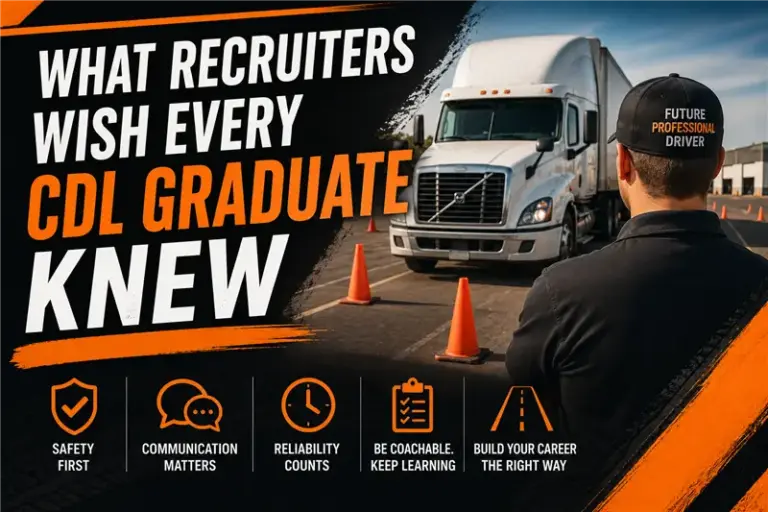
July 27, 2026
Graduating from CDL school is a major accomplishment. You’ve earned your Commercial Driver’s License, completed hands-on training, and are ready to begin your career. But landing your first trucking job takes more than simply having a CDL. Every day, trucking…
Learn More
July 21, 2026
Truck driving is about much more than shifting gears, backing into a dock, or passing your CDL exam.
Learn More