July 28, 2026
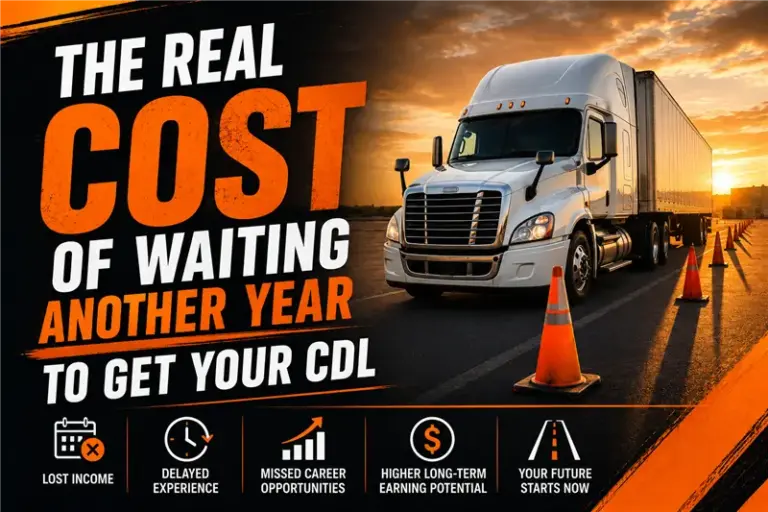
The Real Cost of Waiting Another Year to Get Your CDL
Many people think about earning their CDL for months—or even years—before taking the first step.
Learn MoreJune 26, 2025
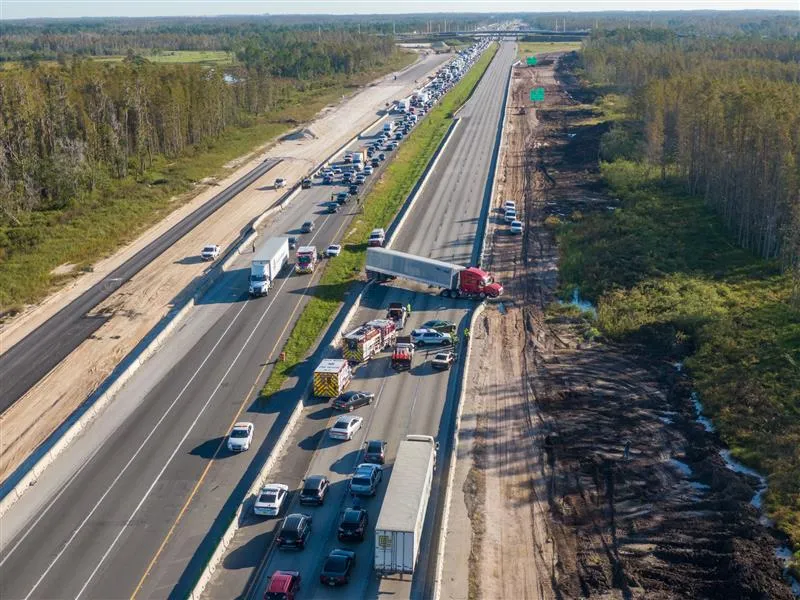
Operating a commercial motor vehicle requires more than earning a Commercial Driver’s License (CDL). Drivers need the knowledge, technical skills, and judgment to navigate challenging road conditions, handle large vehicles safely, and respond to unexpected situations.
That is why Entry-Level Driver Training (ELDT) regulations are so important. Established by the Federal Motor Carrier Safety Administration (FMCSA), these requirements set minimum training standards for individuals pursuing certain commercial driver’s licenses and endorsements.
However, regulations are only effective when training providers consistently meet their requirements and the appropriate authorities enforce them. Without adequate oversight, gaps in training quality can put new drivers, experienced truckers, and everyone sharing the road at risk.
At 160 Driving Academy, we believe quality CDL training is a critical investment in safer roads and a stronger trucking industry.
When training standards are not consistently maintained, aspiring commercial drivers may enter the industry without fully developing the skills needed to operate a commercial vehicle safely.
The consequences can extend beyond the individual driver.
Commercial vehicles require specialized handling, careful judgment, and a strong understanding of road safety. Drivers must know how to perform vehicle inspections, manage stopping distances, navigate turns, and respond to changing traffic conditions.
Insufficient training can leave drivers less prepared to handle these responsibilities, increasing the potential for preventable incidents.
Students invest time, money, and effort into earning their CDL and pursuing a new career. They deserve training that equips them for the realities of the job.
When a training program fails to provide adequate instruction and practical experience, graduates may struggle to meet employer expectations or confidently perform essential driving tasks.
Comprehensive training helps aspiring drivers build a stronger foundation before beginning their careers.
Professional truck drivers play an essential role in keeping the economy moving. Maintaining high training standards helps reinforce the professionalism and responsibility associated with the industry.
When inadequate training contributes to safety concerns, the consequences can affect public confidence in commercial drivers as a whole.
Consistent, high-quality CDL education helps support a more skilled workforce and a stronger reputation for the trucking profession.
CDL schools that invest in qualified instructors, appropriate training resources, and regulatory compliance take their responsibilities seriously.
When training providers fail to meet applicable requirements without facing appropriate consequences, schools committed to maintaining high standards may face an uneven competitive environment.
Effective oversight helps promote accountability and reinforces the importance of quality training throughout the industry.
Maintaining consistent training standards requires cooperation among regulators, training providers, employers, and the broader trucking industry.
Several measures can help strengthen accountability and support safer commercial driving.
These measures can help reinforce the purpose of ELDT regulations: ensuring that drivers receive the required foundational training before entering the commercial driving industry.
At 160 Driving Academy, we understand that becoming a commercial driver is about more than passing a test. It is about developing the skills, knowledge, and confidence required to operate a commercial vehicle responsibly.
Our CDL training programs are designed to help students prepare for the demands of commercial driving through structured instruction and practical skills development.
We believe aspiring drivers deserve an educational experience that emphasizes safety, preparation, and professional responsibility.
Our commitment includes:
By emphasizing proper preparation, 160 Driving Academy works to help students enter the industry with the skills and knowledge necessary to begin their commercial driving careers.
The quality of CDL training has implications for every person who shares the road with a commercial vehicle. Maintaining strong standards, enforcing applicable regulations, and supporting comprehensive driver education are important steps toward improving road safety.
Training providers, regulators, employers, and drivers all have a role to play in building a safer and more professional trucking industry.
At 160 Driving Academy, we remain committed to helping aspiring commercial drivers develop the foundational skills they need to move forward with confidence.
Ready to start your CDL journey?
Explore 160 Driving Academy’s CDL training programs and take the first step toward a career in commercial driving.
160 Driving Academy is a commercial driving school focused on preparing students for careers in the trucking industry. Through structured CDL instruction and practical skills development, the academy helps aspiring drivers work toward obtaining their commercial driver’s licenses and developing the knowledge needed for professional driving.
With training locations across multiple states, 160 Driving Academy is committed to making CDL education accessible to aspiring commercial drivers while emphasizing safety, preparation, and applicable training standards.
Learn more about our programs and locations at 160DrivingAcademy.com.
July 28, 2026
Many people think about earning their CDL for months—or even years—before taking the first step.
Learn More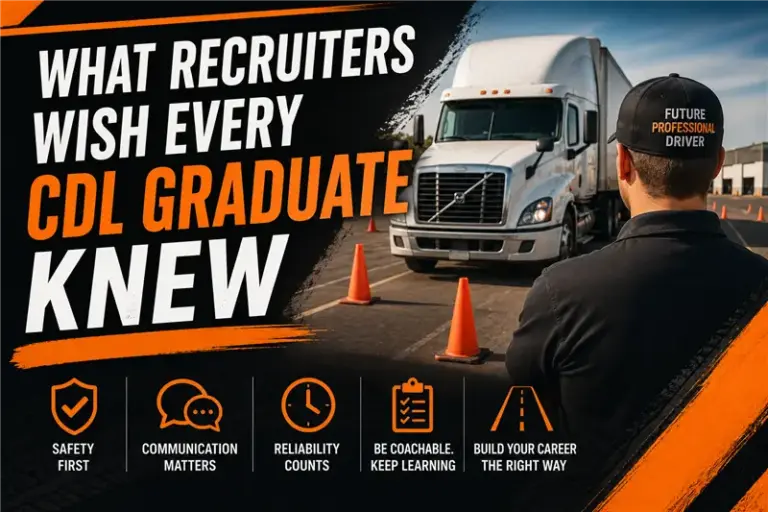
July 27, 2026
Graduating from CDL school is a major accomplishment. You’ve earned your Commercial Driver’s License, completed hands-on training, and are ready to begin your career. But landing your first trucking job takes more than simply having a CDL. Every day, trucking…
Learn More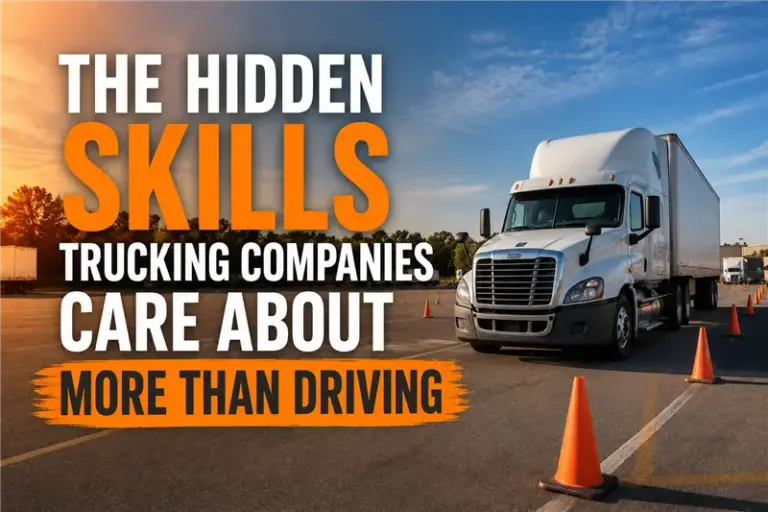
July 21, 2026
Truck driving is about much more than shifting gears, backing into a dock, or passing your CDL exam.
Learn More