July 28, 2026
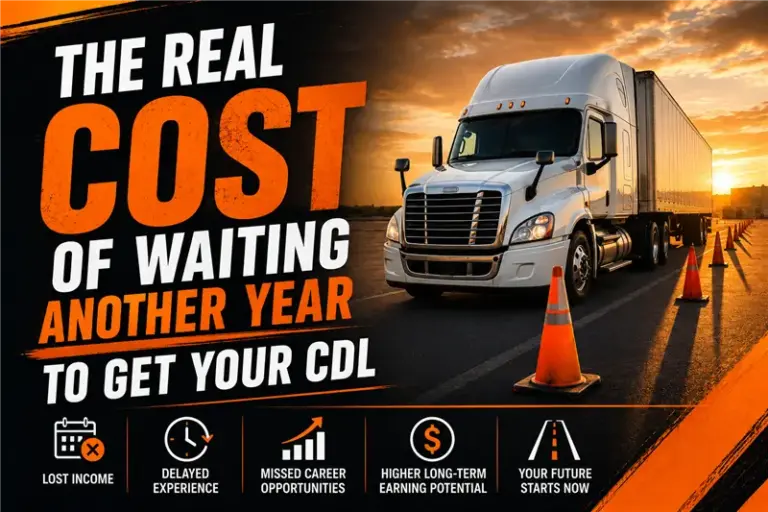
The Real Cost of Waiting Another Year to Get Your CDL
Many people think about earning their CDL for months—or even years—before taking the first step.
Learn MoreDecember 22, 2025
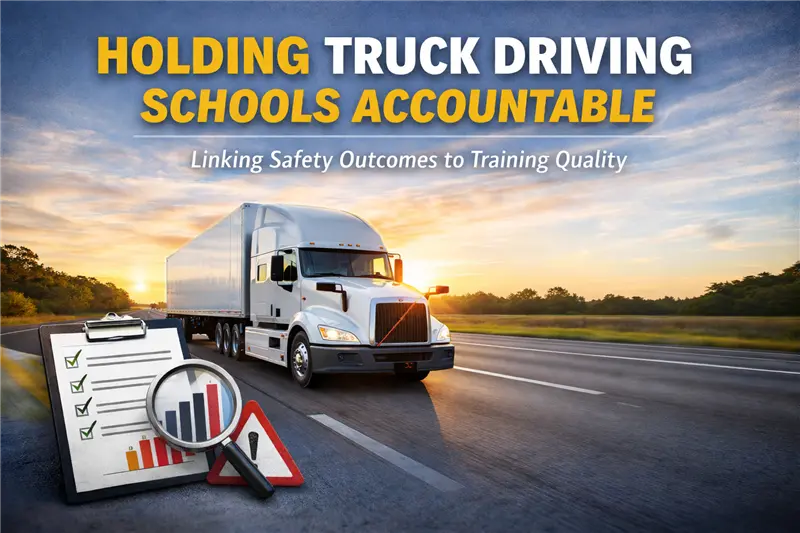
The Entry Level Driver Training (ELDT) rule was introduced to improve safety and raise standards for new commercial drivers. The intent was right. The execution wasn’t.
Since ELDT went into effect, the Federal Motor Carrier Safety Administration (FMCSA) has relied heavily on self-certification, allowing truck driving schools to attest that students are “proficient” without requiring proof of meaningful, hands-on training. According to recent industry commentary and federal reviews, this gap has created a system that prioritizes volume over quality.
When FMCSA launched the Training Provider Registry (TPR), it removed several proposed safeguards before implementation—including minimum drive-time requirements, verified instructor qualifications, and routine inspections.
The result:
Independent reviews and federal investigations have since found that a significant percentage of registered schools fail to meet basic compliance standards. This isn’t just a regulatory issue—it’s a public safety issue.
FMCSA has begun removing fraudulent or non-compliant schools from the registry. Thousands have already been flagged or removed, which is a necessary step.
But removing bad actors after the fact doesn’t solve the larger problem: there is still no performance-based way to measure whether a school produces safe, competent drivers.
Industry experts have pointed out that FMCSA already has the data needed to improve oversight—it simply isn’t using it effectively.
Every CDL issued under ELDT is tied to a registered training provider. FMCSA also maintains detailed crash and fatality data involving commercial drivers. Connecting those two datasets would allow regulators to identify patterns and answer a critical question:
Which schools are consistently producing drivers involved in serious safety incidents?
This approach shifts oversight from paperwork to outcomes.
Linking training providers to real-world safety results would:
Instead of treating all schools equally on paper, this model rewards proven performance and accountability.
At 160 Driving Academy, we support higher standards, measurable outcomes, and meaningful enforcement. CDL training should be rigorous, transparent, and focused on producing safe, job-ready drivers—not just checking regulatory boxes.
Using safety data to evaluate training providers isn’t punitive. It’s responsible. It protects students, carriers, and the public—and it strengthens the long-term future of the trucking industry.
The data already exists. Now it’s time to use it.
July 28, 2026
Many people think about earning their CDL for months—or even years—before taking the first step.
Learn More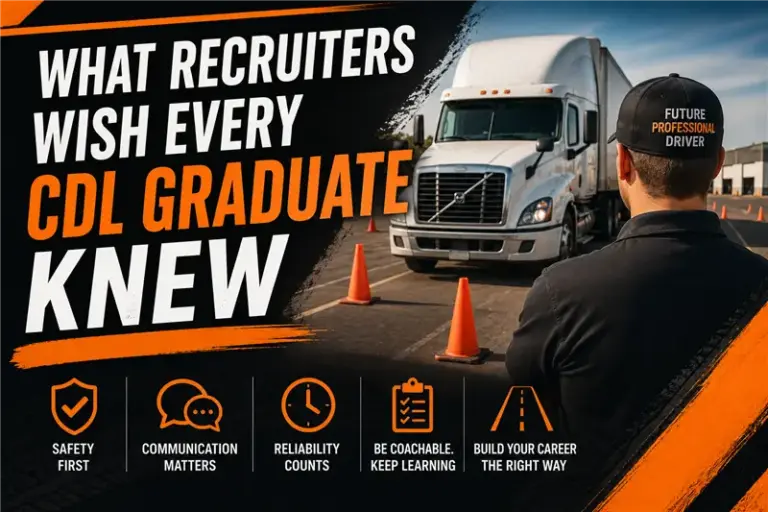
July 27, 2026
Graduating from CDL school is a major accomplishment. You’ve earned your Commercial Driver’s License, completed hands-on training, and are ready to begin your career. But landing your first trucking job takes more than simply having a CDL. Every day, trucking…
Learn More
July 21, 2026
Truck driving is about much more than shifting gears, backing into a dock, or passing your CDL exam.
Learn More