
July 28, 2026
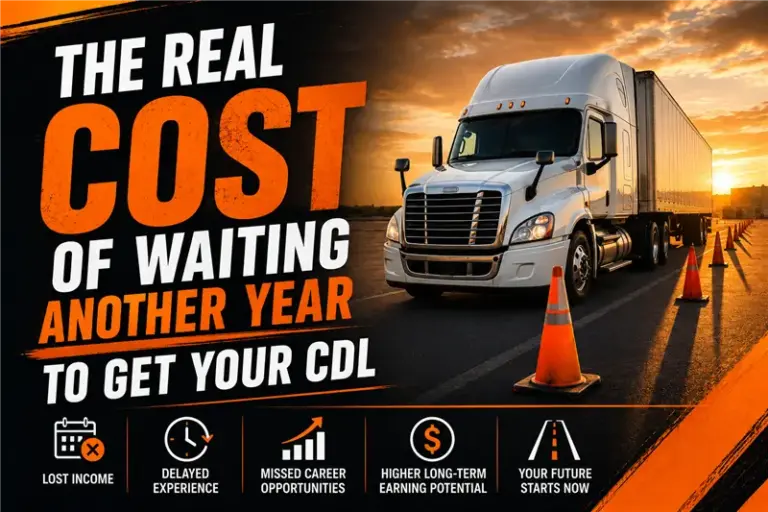
The Real Cost of Waiting Another Year to Get Your CDL
Many people think about earning their CDL for months—or even years—before taking the first step.
Learn MoreJune 11, 2025
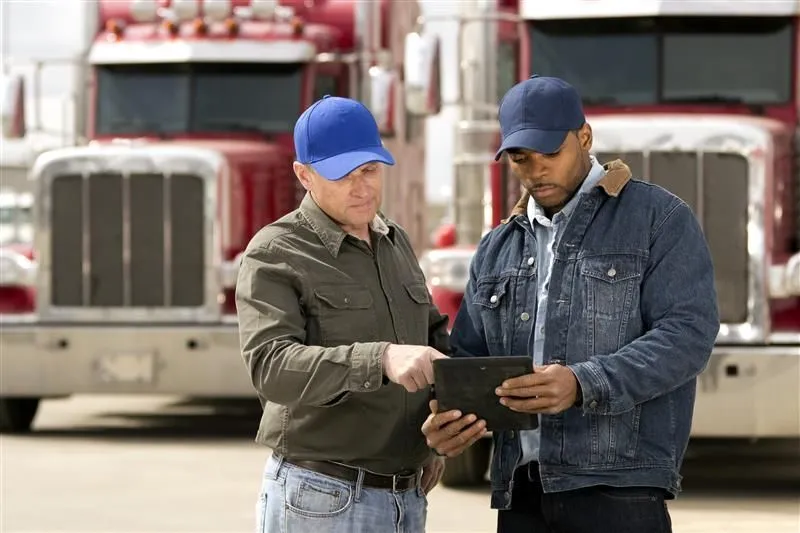
Finding and retaining qualified commercial drivers remains an important challenge for trucking companies. Recruiting delays can affect fleet capacity, scheduling, operating costs, and the ability to meet customer commitments.
Artificial intelligence (AI) is creating new opportunities to make recruitment more efficient. From automating repetitive administrative tasks to helping recruiters organize applicant information, AI-powered tools can reduce manual work and help hiring teams focus on the candidates who best meet their needs.
According to Checkr’s 2025 State of Transportation Talent report, 62% of surveyed transportation HR professionals said they were actively using or piloting AI in hiring. The research also highlights the importance of candidate communication, transparency, and human involvement in hiring decisions.
For trucking companies, the opportunity is not simply to hire faster. It is to build a more consistent recruitment process that supports operational requirements and long-term workforce stability.
Traditional recruiting often involves reviewing applications manually, coordinating interviews, checking qualifications, and communicating with candidates across multiple channels. These processes can become difficult to manage when a fleet needs to fill multiple positions or recruit across several locations.
AI-assisted recruiting systems can help employers organize these activities and identify candidates who meet defined job requirements.
For example, recruitment technology can help hiring teams:
These tools can make recruitment more manageable, particularly for fleets handling high application volumes.
However, AI should support rather than replace professional judgment. Employers must still verify qualifications, review driving records through appropriate processes, and evaluate each candidate against legitimate job-related requirements.
Hiring a commercial driver is only the beginning of the employment relationship. Long-term workforce stability also depends on whether the position meets the driver’s expectations and whether the employer provides a supportive working environment.
Differences between advertised and actual pay, route assignments, home-time expectations, and scheduling can contribute to dissatisfaction and early departures.
Recruitment technology can help employers communicate these details more consistently before an offer is accepted. By collecting relevant preferences and presenting accurate job information, fleets can help candidates make better-informed decisions.
Employers should also examine what happens after hiring. Competitive compensation, reliable communication, realistic scheduling, and respectful management practices remain important elements of driver retention.
AI can help identify patterns in recruitment and workforce data, but technology alone cannot solve retention challenges. The strongest results come from combining useful data with practical improvements to the driver experience.
The role of technology in trucking extends beyond finding candidates. Digital tools can also help companies manage training, onboarding, scheduling, compliance workflows, and ongoing employee support.
Depending on the systems used, AI-assisted tools may help employees locate information, access training resources, or complete routine administrative tasks more efficiently.
For fleet managers, these capabilities can provide opportunities to improve consistency and reduce unnecessary paperwork.
Still, technology must be implemented carefully. Employers should protect personal information, evaluate automated systems for potential bias, and make sure decisions affecting employment receive appropriate human review.
The objective is to use technology to support employees and improve operations, not to remove the human relationships that help build a successful workforce.
Recruitment technology is most useful when employers have access to candidates with the skills required for the job. For trucking companies, that means looking beyond the hiring process to the development of qualified commercial drivers.
Entry-Level Driver Training (ELDT) requirements establish minimum federal training standards for individuals pursuing certain CDLs and endorsements. The Federal Motor Carrier Safety Administration (FMCSA) maintains a Training Provider Registry that allows eligible applicants to find registered training providers and supports the verification of required training completion.
For employers, investing in a strong driver pipeline means recognizing the role that structured training plays in preparing new entrants for commercial driving careers.
160 Driving Academy supports this goal through CDL training designed to help students develop foundational commercial driving knowledge and practical skills.
By connecting aspiring drivers with CDL education, the academy contributes to the broader workforce development efforts needed to support the trucking industry.
For carriers seeking to strengthen their long-term recruitment strategies, relationships with training providers can complement internal hiring, onboarding, and retention programs.
Fleet operators do not need to replace their entire recruitment process to begin benefiting from new technology. A practical approach starts with identifying the biggest inefficiencies and evaluating whether automation can address them.
Here are four areas worth reviewing:
1. Identify Recruitment Bottlenecks
Review the time it takes to respond to applicants, verify qualifications, schedule interviews, and complete onboarding. Establishing a baseline helps employers determine where technology may provide the greatest value.
2. Improve the Candidate Experience
Provide clear information about pay, routes, schedules, job expectations, and hiring requirements. Use automated updates where appropriate, while ensuring candidates can still communicate with a real person.
3. Evaluate Technology Responsibly
Assess whether recruiting tools are accurate, secure, transparent, and appropriate for the intended purpose. Monitor for potential bias and maintain human oversight of consequential employment decisions.
4. Connect Recruitment With Workforce Development
Consider how CDL training partnerships, structured onboarding, and ongoing professional development can complement recruiting technology. A more coordinated approach can help employers address both immediate vacancies and future workforce needs.
AI is changing how businesses organize recruitment and manage workforce information. For trucking companies, these tools offer opportunities to reduce administrative burdens, improve communication, and make hiring processes more responsive.
But technology is only one part of the solution. Reliable drivers, effective training, fair employment practices, and supportive workplace cultures remain essential to a successful transportation operation.
At 160 Driving Academy, we recognize the importance of preparing aspiring commercial drivers with the foundational knowledge and practical skills needed to pursue opportunities in the trucking industry.
Looking to build your commercial driving career or strengthen the industry’s future workforce?
Explore 160 Driving Academy’s CDL training programs to learn more about training opportunities and the path toward a commercial driving career.
160 Driving Academy is a commercial driving school that provides CDL training to individuals pursuing careers in the trucking industry. Through structured instruction and practical skills development, the academy helps students work toward obtaining their commercial driver’s licenses and preparing for professional driving opportunities.
Learn more about CDL training, available locations, and programs at 160DrivingAcademy.com.
July 28, 2026
Many people think about earning their CDL for months—or even years—before taking the first step.
Learn More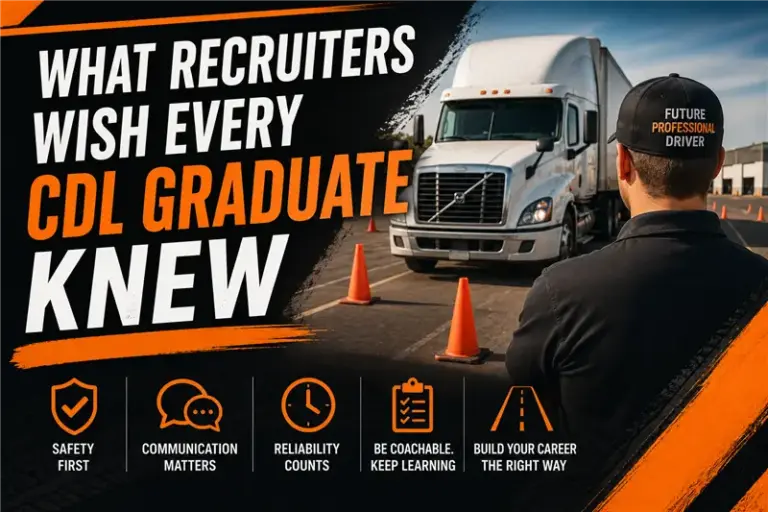
July 27, 2026
Graduating from CDL school is a major accomplishment. You’ve earned your Commercial Driver’s License, completed hands-on training, and are ready to begin your career. But landing your first trucking job takes more than simply having a CDL. Every day, trucking…
Learn More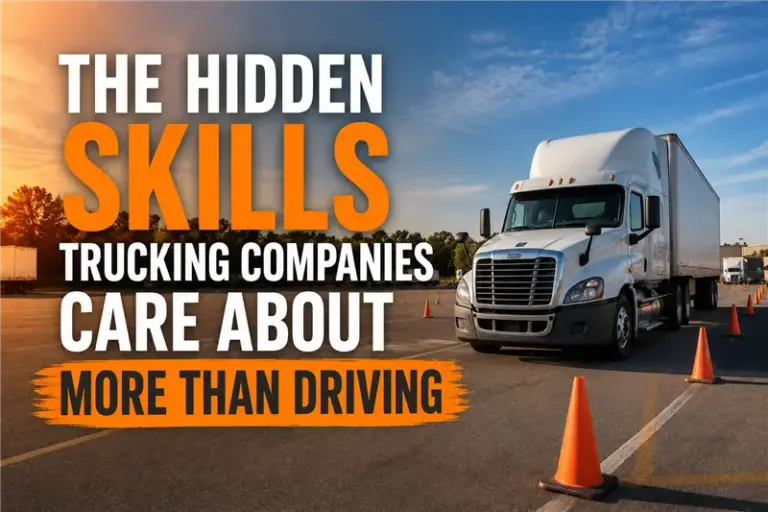
July 21, 2026
Truck driving is about much more than shifting gears, backing into a dock, or passing your CDL exam.
Learn More